Understanding Diffuser Bottle Coating Corrosion: Why Your Diffusers Discolor and Leave Stains
Introduction
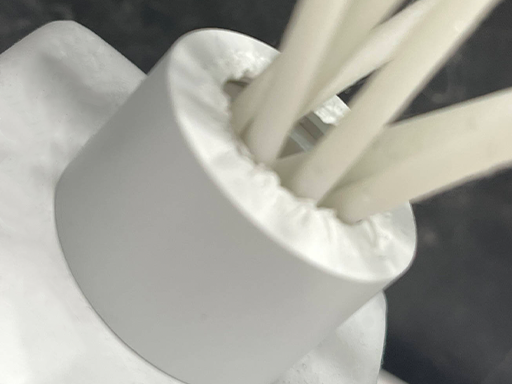
Many brand owners and consumers encounter a common frustration: after using a new diffuser for a short period, the bottle cap coating becomes mottled, fades, develops corrosion spots, and the shoulder area leaves unexpected stains. The premium appearance is significantly compromised. Many people mistakenly assume this is a painting quality issue, but in reality, it's mostly caused by the composition of the fragrance oil combined with improper usage, rather than coating process defects. Today, we'll break down the core causes, high-risk scenarios, and complete solutions for fragrance coating corrosion.
Core Cause: Fragrance Oils Themselves Have "Corrosive" Properties
The Chemistry Behind Coating Damage
The vast majority of fragrance oils on the market contain organic solvents and synthetic fragrances in their core formulations. These two ingredient categories are the primary culprits behind coating corrosion.
- Organic Solvents possess strong penetration and dissolving capabilities, slowly dissolving and breaking down the resins, pigments, and protective layers in the coating, disrupting the coating's dense structure.
- Composite Fragrance Chemical Additives further accelerate coating oxidation and aging, weakening the coating's wear and corrosion resistance.
The Misunderstanding
Many consumers share a common misconception: they believe any painted coating can withstand fragrance oil erosion. This is not true. There is no universal "corrosion-resistant coating." Different fragrance scents and formulations have varying pH levels, solvent concentrations, and chemical compositions, which require vastly different coating corrosion resistance standards. Even high-quality corrosion-resistant coatings cannot accommodate all fragrance formulations. Without targeted testing and matching, long-term use will inevitably lead to coating damage.
Hidden Flaw: Improper Usage Accelerates Coating Damage
Beyond the inherent properties of the ingredients, negligence in daily usage is the primary trigger for frequent coating corrosion, and this issue is easily overlooked. The core problem centers around wick (diffusion stick) usage.
The Overloading Issue
The diffuser's evaporation performance depends entirely on the wick's water absorption rate, water capacity, and evaporation speed. Ordinary users struggle to accurately control parameter matching. If you choose a large-sized, high-density wick, or excessively match it with too much fragrance oil, you'll encounter supply overload:
- The wick absorbs more fragrance oil than can be naturally evaporated
- Excess liquid cannot be evaporated in time
- Liquid seeps upward along the wick, directly contacting and staining the bottle cap and shoulder coating
Persistent Damage
This seepage contact is continuous. Short-term effects may not be noticeable, but over time, the coating gradually develops stickiness, loss of luster, discoloration, peeling, and spot corrosion issues.
These Coatings Are Most Vulnerable to Fragrance Oil Corrosion
Not all fragrance accessory coatings develop corrosion. Different materials and coating processes show significant tolerance differences. High-risk damage areas are clearly identifiable:
1. Painted Color Bottle Caps
The mainstream colored painted caps and painted wooden caps have thin coating layers and weak protection, making them high-corrosion zones where color fading, mottling, and coating detachment frequently occur.
2. Bottle Shoulder Coatings
Seepage from wick diffusion allows fragrance oil to flow downward to the shoulder area. Long-term accumulation and soaking leads to shoulder coating oxidation and corrosion, leaving hard-to-repair stains.
3. Exception: Durable Material Options
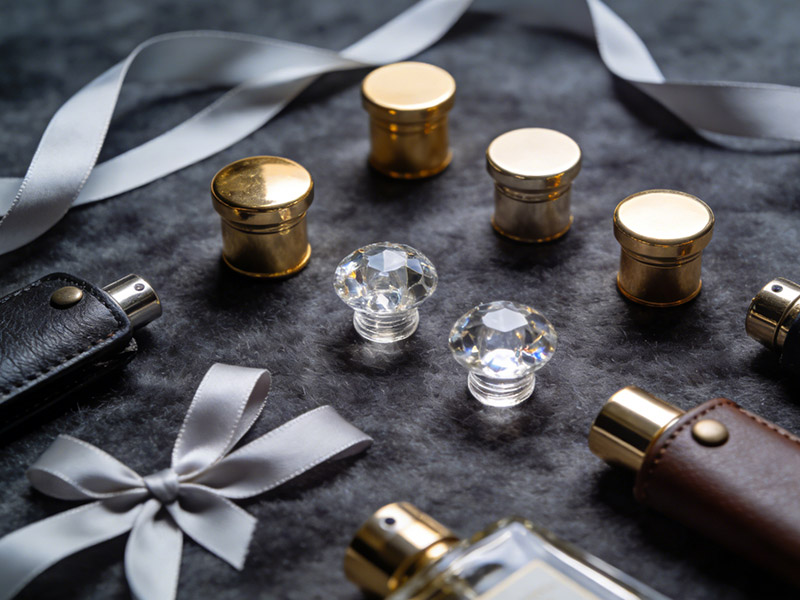
Silver/ gold and black aluminum diffuser caps, with metal surfaces undergoing special oxidation processing treatment, have stable structures and strong corrosion resistance, and are basically immune to fragrance oil corrosion.
Complete Solution: Say Goodbye to Coating Corrosion Forever
The Ultimate Protection Method
Once coating corrosion occurs, self-repair is impossible, and polishing or touch-up painting cannot restore the original texture. To completely eliminate the issue, the core is blocking direct contact between fragrance oil and the coating, mitigating seepage risks from the source, rather than relying solely on coating corrosion resistance capabilities.
Our Specialized Solution
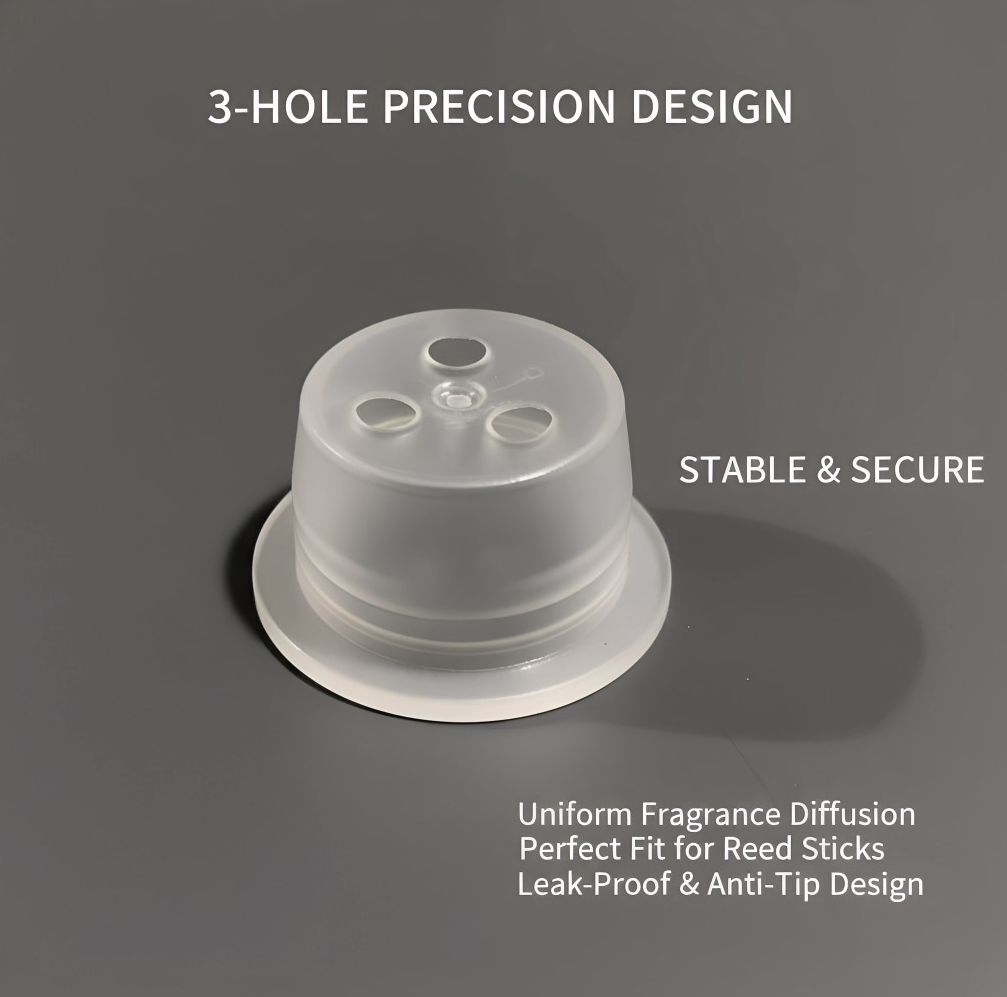
Addressing these industry-wide pain points, we have developed specialized fragrance anti-seepage inner plugs that perfectly solve wick seepage and liquid-to-coating contact core problems.
How Our Inner Plug Works:
- Precise wick fixation – securely locks the wick in position
- Eliminates wick offset/tilt – prevents liquid upward seepage and external leakage
- Physically isolates fragrance oil from bottle cap and shoulder coating contact
Installation & Compatibility
- Simple installation process
- Wide compatibility
- Requires no modification to existing diffuser structure
- Can transition or completely solve all coating corrosion issues
- Maximally protects diffuser appearance integrity
- Extends product lifespan
- Maintains diffuser's premium texture for longer periods
Want to Say Goodbye Coating Corrosion, Discoloration, and Stain Issues Forever?
Learn about our specialized anti-seepage inner plugs: www.zestrela.com
Protect your brand's premium image with ESTRELA CHINA's coating-safe solutions.
ESTRELA CHINA — Where Material Quality Meets Brand Ambition.